
Fatigue and Low Energy in Lutz, FL: Finding the Cause Instead of Masking It
Tired is a symptom, not a diagnosis. Start with labs drawn in the office and a provider who looks for why.
- Common In:
- Adults 25 to 64, women and men
- Primary Causes:
- Sleep, thyroid, anemia, vitamins
- Treatment Time:
- Labs back in days, plan in weeks
- Results:
- Depends on the cause found


Understanding Fatigue
What Is Fatigue and When Is It a Medical Problem?
Fatigue is persistent tiredness that rest does not fix, and the most common low energy causes are medical, not moral: poor sleep, an underactive thyroid, anemia, low vitamin D or B12, unstable blood sugar, hormone changes, depression and medication side effects. A careful history, exam and a short list of labs usually explain it.
MedlinePlus advises seeing a provider when tiredness lasts more than two weeks without an obvious reason. Dr. Anilda Ortiz, DNP, APRN, FNP-C draws blood in the office, explains results plainly and builds the plan around the findings for patients from Lutz, Odessa, Land O' Lakes and Wesley Chapel.
Medically reviewed by Dr. Anilda Ortiz, DNP, APRN, FNP-C. Last updated: October 2026.

The Science
Why Fatigue and Low Energy Happen
Understanding the Root Causes
Energy depends on oxygen delivery, fuel handling and the sleep-wake cycle working together. Red blood cells carry oxygen, so when iron stores fall, oxygen delivery drops and muscles tire sooner. Iron deficiency can cause fatigue before anemia appears: in a randomized trial, women with ferritin below 50 and normal hemoglobin reported substantially less fatigue after 12 weeks of iron than with placebo.
Thyroid hormone sets the pace of metabolism in every cell. The American Thyroid Association lists fatigue, cold intolerance, weight gain and sluggish thinking among the earliest signs of an underactive thyroid, and a simple TSH test usually settles the question. Vitamin B12 and vitamin D support nerve function, red cell production and muscle strength, and low levels are common with limited sun exposure, restricted diets or acid-reducing medication.
Blood sugar and sleep complete the picture. Insulin resistance produces post-meal crashes and afternoon slumps, while untreated sleep apnea fragments sleep hundreds of times a night without fully waking you. Add perimenopause, low testosterone, depression or a sedating medication, and tiredness has several contributors rather than one.
Contributing Factors
What Causes Fatigue and Low Energy?
Identifying Your Triggers
These are the low energy causes Dr. Ortiz checks first, because they are common, testable and treatable.
Underactive Thyroid
Hypothyroidism slows metabolism and shows up as fatigue, cold hands, dry skin and weight gain; TSH confirms it.
Iron Deficiency and Anemia
Low ferritin reduces oxygen delivery and causes tiredness, breathlessness on stairs and restless legs, often in menstruating women.
Vitamin D and B12 Deficiency
Both are common and easy to miss; low B12 adds numbness and brain fog, low vitamin D adds muscle aches and low mood.
Blood Sugar Swings
Prediabetes and insulin resistance cause post-meal crashes and afternoon slumps long before diabetes is diagnosed.
Poor Sleep and Sleep Apnea
Short, fragmented or apnea-interrupted sleep is the most common reason adults feel exhausted despite hours in bed.
Hormones and Medications
Perimenopause, low testosterone, depression and sedating medications such as antihistamines all drain energy.
Deeper Understanding
How We Evaluate Fatigue at Advanced Optimal Healthcare
Schedule a Complimentary ConsultationA Careful History and Labs Drawn in the Office
The visit begins with time. Dr. Ortiz asks when the fatigue started, how you sleep, whether you snore, what you eat, what medications and supplements you take, and how your mood, menstrual cycle or sexual function have changed. The exam checks blood pressure, heart rate, thyroid and skin, and screens for depression and sleep apnea risk.
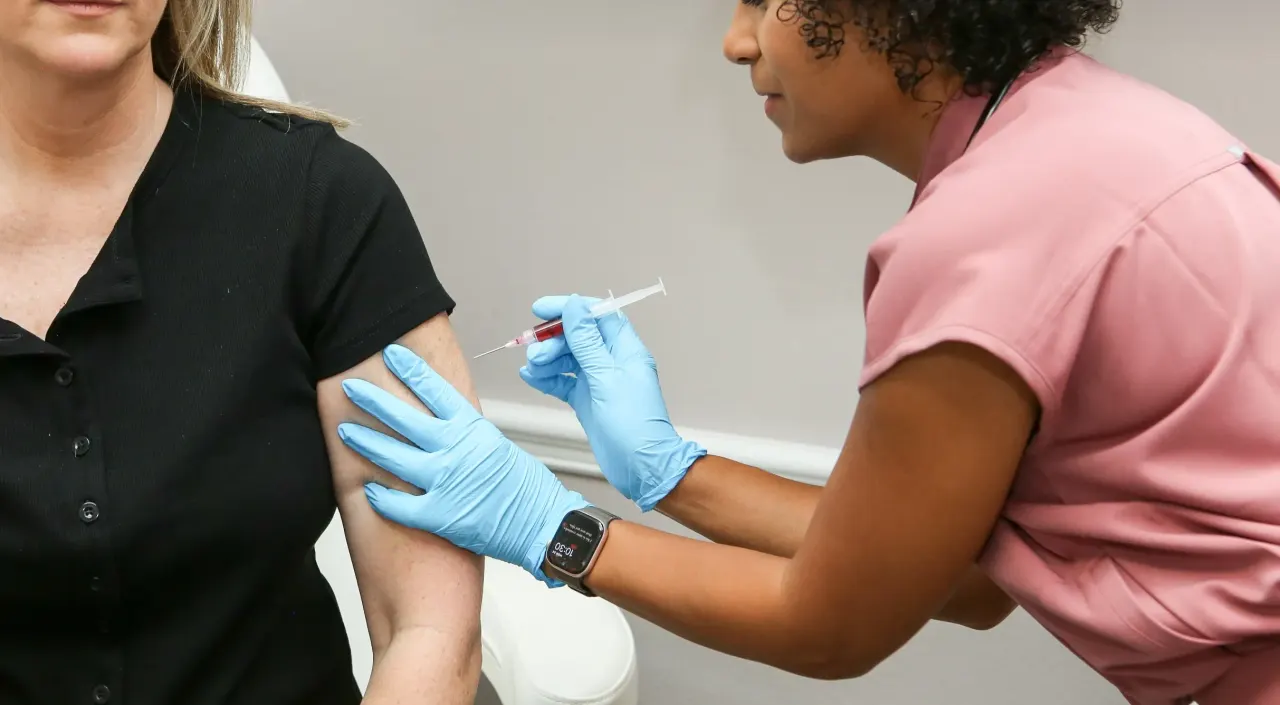
Blood is drawn in the office at that visit. A typical fatigue panel includes a complete blood count and ferritin, TSH and free T4, vitamin B12 and D, fasting glucose and hemoglobin A1c, a metabolic panel and, when symptoms fit, morning testosterone or estradiol and FSH. Primary care members receive discounted lab pricing.
Treatment matches the result. Low ferritin is treated with iron; an underactive thyroid is managed on the thyroid disease pathway; a confirmed B12 or vitamin D deficiency may be corrected with vitamin injection therapy or oral replacement; hormone-related fatigue is addressed through lab-guided hormone therapy. Poor sleep follows the insomnia pathway, loud snoring with daytime sleepiness earns a sleep study referral, and repeat labs at six to eight weeks confirm the plan is working.
Why Us
Why Choose Advanced Optimal Healthcare for Fatigue and Low Energy in Lutz, FL
Expert Care in Lutz
Dr. Ortiz brings more than a decade of endocrine and thyroid experience to a symptom many offices answer with a shrug. Visits are unhurried, labs are drawn on site, and every result is explained so you know what was found and what happens next.
-
Cause First, Then Treatment
No supplement, drip or hormone is recommended until labs show what is actually low.
-
Labs Drawn in the Office
Blood work is collected at the first visit and reviewed with you, with no separate lab trip.
-
Endocrine and Thyroid Depth
Ten years of diabetes and thyroid care means subtle thyroid, blood sugar and hormone patterns are caught early.
-
Follow-Up Built In
Repeat labs confirm the fix, and members reach Dr. Ortiz directly between visits.
Finding Your Best Approach
Fatigue Treatment Options Comparison
Services Advanced Optimal Healthcare offers once the cause of your fatigue is known. Each is matched to a lab result, not a guess.
| Option | Best For | Session Time | Results Timeline | Ongoing Plan |
|---|---|---|---|---|
| IV Therapy | Dehydration, recovery, low vitamin C | About an hour | Hours to days | As needed or packages |
| Vitamin Injections | Confirmed B12 or vitamin D deficiency | A few minutes | Weeks as levels rise | Weekly to monthly by labs |
| Hormone Therapy | Fatigue tied to menopause or low testosterone | Consultation plus labs | 6 to 12 weeks | Monitored with follow-up visits |

Is This You?
Signs Your Fatigue and Low Energy Deserve a Medical Evaluation
Recognizing When to Seek Help
Any of these patterns is a reason to have the cause investigated rather than managed with more coffee.
- Unrefreshed After Sleep
- Afternoon Crash
- Lost Stamina
- Cold, Dry and Gaining Weight
- Brain Fog and Low Mood
Treatments
Related Services
Services that address fatigue and low energy once the cause is known.

Your Questions
Frequently Asked Questions
About Fatigue and Low Energy
What are the most common low energy causes in adults?
Sleep problems, depression and chronic stress are the most common, followed by an underactive thyroid, iron deficiency, low vitamin D or B12, prediabetes, hormone changes and medication side effects. Serious organic causes such as anemia turn up in only a small minority, so a good history and a focused lab panel resolve most visits.
What labs do you run for fatigue?
A complete blood count with ferritin, TSH and free T4, vitamin B12, vitamin D, fasting glucose and hemoglobin A1c, and a metabolic panel, with hormone levels added when symptoms fit. Blood is drawn in the office at the first visit and results are reviewed with you, not mailed.
Will an IV drip fix my fatigue?
Sometimes, briefly, and mostly when something is low. One randomized trial found intravenous vitamin C reduced fatigue for about a day, chiefly in people with low baseline levels, while a placebo-controlled pilot of the Myers Cocktail found no significant advantage over saline. We offer IV drips in Lutz for hydration and recovery, but a drip does not replace finding the cause. Individual results vary.
Do B12 shots give you energy?
They restore energy when B12 is actually deficient, which is common in older adults, vegetarians, people on metformin or acid reducers, and after gastric surgery. With normal levels, the evidence for an energy boost is weak. That is why a confirmed low result comes before any B12 or vitamin D injection here, and why levels are rechecked afterward.
Could my hormones be the reason I am exhausted?
Yes, particularly during perimenopause and menopause for women and with low testosterone in men, when night sweats, broken sleep, low mood and lost stamina travel together. When a full hormone panel confirms the pattern, lab-guided hormone replacement for women or treatment for low testosterone is discussed, with monitoring built in.
When is fatigue an emergency?
Seek emergency care for fatigue with chest pain, shortness of breath at rest, fainting, confusion, an irregular heartbeat or one-sided weakness. Otherwise, book a visit for tiredness lasting more than two weeks, especially with weight change, fever or new snoring. You can also browse the other conditions we treat to see related pages.
Ready to Start?
Schedule Your Fatigue and Low Energy Consultation
- Phone
- (813) 330-6224
- Hours
- Mon & Fri 9am - 2pmTue & Thu 9am - 6pmWed 9am - 5pm
Scientific References
- Stadje et al., BMC Fam Pract. (2016). The differential diagnosis of tiredness: a systematic review. PMID: 27765009.
- Maisel et al., Dtsch Arztebl Int. (2021). Fatigue as the Chief Complaint-Epidemiology, Causes, Diagnosis, and Treatment. PMID: 34196270.
- Vaucher et al., CMAJ. (2012). Effect of iron supplementation on fatigue in nonanemic menstruating women with low ferritin: a randomized controlled trial. PMID: 22777991.
- Suh et al., Nutr J. (2012). Intravenous vitamin C administration reduces fatigue in office workers: a double-blind randomized controlled trial. PMID: 22264303.
- Ali et al., J Altern Complement Med. (2009). Intravenous micronutrient therapy (Myers' Cocktail) for fibromyalgia: a placebo-controlled pilot study. PMID: 19250003.
- American Thyroid Association. (2026). Hypothyroidism (underactive thyroid) patient information: symptoms, TSH testing and levothyroxine treatment.