
High Blood Pressure Care in Lutz, FL: Regular Monitoring, Not Once a Year
Home readings, timely dose changes and a provider who checks back
- Common In:
- Nearly half of US adults
- Primary Causes:
- Genetics, sodium, weight, sleep, stress
- Treatment Time:
- Visits every 2-4 weeks until controlled
- Results:
- Readings often improve in 2-8 weeks

Understanding Hypertension
What Is High Blood Pressure?
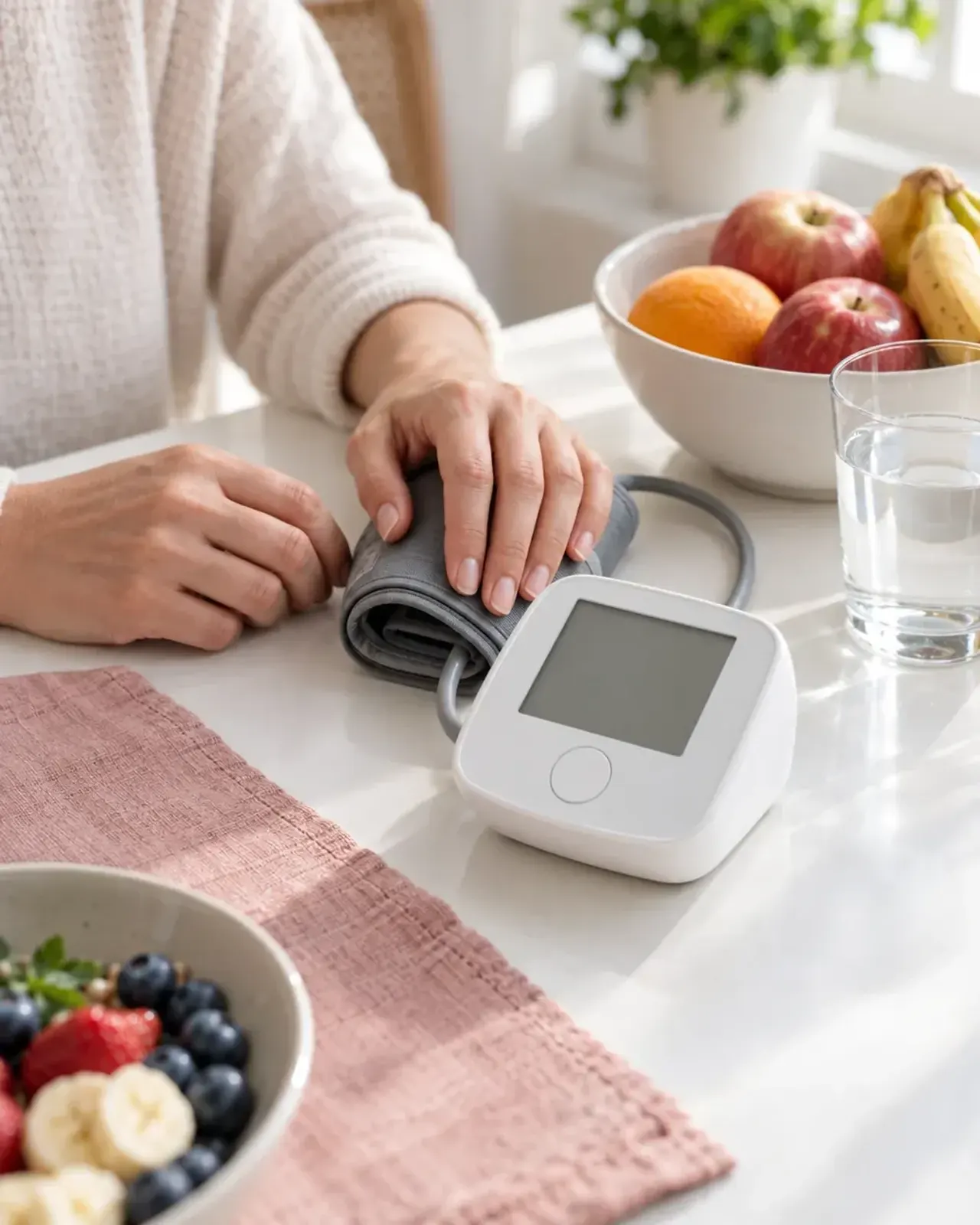
If you have been looking for a high blood pressure doctor in Lutz, FL, the provider you will meet at Advanced Optimal Healthcare is a board-certified family nurse practitioner with more than 14 years of primary care experience managing hypertension. High blood pressure means the force of blood against your artery walls stays too high. Under the 2017 American College of Cardiology and American Heart Association guideline, stage 1 hypertension starts at 130 systolic or 80 diastolic.
It rarely causes symptoms until it has damaged the heart, brain or kidneys, and the National Heart, Lung, and Blood Institute reports that nearly half of American adults have it. Dr. Anilda Ortiz, DNP, APRN, FNP-C manages it with home readings, regular visits and prompt dose changes.
Medically reviewed by Dr. Anilda Ortiz, DNP, APRN, FNP-C. Last updated: October 2026.

The Science
Why High Blood Pressure Happens
Understanding the Root Causes
Blood pressure is the product of how much blood the heart pumps and how much resistance it meets in the arteries. With age, excess sodium, extra weight and inactivity, artery walls stiffen and narrow, resistance rises and the heart has to push harder. The kidneys add a second loop: they regulate fluid and sodium through the renin-angiotensin-aldosterone system, and when it runs high the body holds fluid and tightens vessels further.
About nine in 10 cases are primary hypertension, which develops gradually from genetics and lifestyle. The rest are secondary, driven by chronic kidney disease, an overactive adrenal gland, thyroid disease or obstructive sleep apnea, or by medications including decongestants, anti-inflammatory pain relievers, oral contraceptives and steroids. The NHLBI overview of blood pressure causes describes both patterns.
The 2017 guideline set the threshold at 130/80 because large studies showed heart attack and stroke risk rising steadily above that level. Readings also differ by setting: some people run high only in the office (white-coat hypertension) and others only at home (masked hypertension), so home monitoring with a validated upper-arm cuff is part of the diagnosis.
Contributing Factors
What Raises Your Blood Pressure?
Identifying Your Triggers
Most high blood pressure comes from several factors acting together, and the modifiable ones respond to targeted changes.
Family History and Age
Hypertension runs in families, and arteries naturally stiffen with age, so risk rises steadily after 40 even with good habits.
Sodium, Weight and Inactivity
Processed foods supply most dietary sodium, extra body weight raises the volume the heart must move, and idle arteries lose flexibility.
Sleep Apnea and Stress
Interrupted breathing at night and sustained stress hormones keep the nervous system in overdrive and push readings up.
Alcohol, Tobacco and Medications
More than moderate drinking, nicotine, decongestants, NSAIDs and some hormonal medications each raise blood pressure.
How We Evaluate It
How High Blood Pressure Is Monitored and Managed Here
Home Readings, Baseline Labs and Prompt Adjustments
Your first visit confirms the diagnosis properly: readings taken seated after five minutes of rest with the correct cuff size, repeated and averaged, plus a review of your home log. Dr. Ortiz takes a full history, including sleep, alcohol, sodium, stress and every medication you use. Blood is drawn in the office for kidney function, electrolytes, cholesterol, blood sugar and urine albumin, and an electrocardiogram checks the heart's baseline. The same labs are part of a thorough annual physical exam, which is often where high blood pressure is first caught.
Treatment starts with changes that reliably lower pressure: the DASH eating pattern, sodium under 2,300 mg a day and ideally closer to 1,500 mg, 150 minutes a week of moderate activity, limiting alcohol and losing excess weight. When readings stay at or above 130/80, or start at stage 2, medication is added (thiazide diuretics, ACE inhibitors, ARBs or calcium channel blockers), chosen for your age, kidney function and other conditions. Ongoing medication management adjusts doses every two to four weeks until you are at goal, then every three to six months, with refills handled between visits by phone, secure text, video chat or email.
When to Seek Emergency Care
A reading of 180/120 or higher with chest pain, shortness of breath, back pain, numbness or weakness, vision changes, trouble speaking or severe headache is a hypertensive emergency: call 911. If a reading that high comes with no symptoms, rest five minutes and recheck; if it is still 180/120 or above, contact us right away. See the MedlinePlus entry on hypertensive emergency.
Why Us
Why Choose Advanced Optimal Healthcare for High Blood Pressure in Lutz, FL
Expert Care in Lutz
Dr. Ortiz has managed hypertension for more than 14 years in primary care with a simple approach: measure correctly, treat to a clear target and check back often.
-
Monitoring That Does Not Stop
Home readings are reviewed between visits and doses adjusted every few weeks until you are at goal, not once a year.
-
Direct Access
Members reach Dr. Ortiz by phone, secure text, video chat and email, so dizziness, swelling or a run of high readings is handled quickly.
-
Labs and ECG in One Place
Kidney, electrolyte, cholesterol and glucose labs are drawn in the office at discounted member pricing and explained in plain language.
-
Root Causes Addressed
Sleep apnea, thyroid disease, weight and medications that raise pressure are screened for, not just covered with another prescription.
Finding Your Best Approach
High Blood Pressure Care Options Comparison
High blood pressure care here pairs ongoing medication management with the preventive exams that catch it early.
| Option | Best For | What It Involves | Visit Time | Follow-Up |
|---|---|---|---|---|
| Chronic Care and Medication Management | Diagnosed hypertension | Home log review, labs, dose adjustments, refills | Unhurried office or telehealth visits | Every 2-4 weeks until at goal, then every 3-6 months |
| Annual Physicals and Preventive Care | Screening and early detection | Blood pressure, labs, risk assessment, preventive planning | Comprehensive annual visit | Yearly, sooner if readings are elevated |
Is This You?
Signs You Should Have Your Blood Pressure Checked
Recognizing When to Seek Help
Hypertension usually has no symptoms, so these situations, rather than how you feel, are the real reasons to get regular readings.
- A High Reading Somewhere Else
- Family History
- Snoring and Daytime Fatigue
- Medication Without Monitoring
Treatments
Related Services
Services that keep blood pressure, heart health and risk factors in check.

Your Questions
Frequently Asked Questions
About High Blood Pressure
How should I check my blood pressure at home?
Use a validated upper-arm cuff, sit quietly for five minutes with your back supported, feet flat and arm at heart level, then take two readings a minute apart, morning and evening, for seven days. Avoid caffeine, exercise and nicotine for 30 minutes beforehand. The average guides treatment far better than one office number.
What blood pressure should I aim for?
For most adults with hypertension the target is below 130/80 mm Hg, based on the ACC/AHA guideline and the trials behind it. Dr. Ortiz may set a different goal if you are older, have kidney disease or get lightheaded on treatment, and the target is written into your plan.
Can I lower my blood pressure without medication?
Often, yes, for elevated or stage 1 readings. The DASH eating pattern, cutting sodium, regular aerobic exercise, limiting alcohol and losing excess weight each lower pressure by several points, and together they can bring stage 1 hypertension to goal for many patients. Stage 2 readings or existing heart or kidney disease usually need medication as well. Individual results vary.
Is a nurse practitioner qualified to manage my hypertension?
Yes. People searching for a high blood pressure doctor are looking for someone who diagnoses accurately, prescribes and adjusts medication, orders the right labs and follows up, which is what a board-certified family nurse practitioner does. Dr. Ortiz refers to cardiology or nephrology when a case calls for it.
Do you take insurance for blood pressure care?
No, Advanced Optimal Healthcare does not bill insurance for office visits at any membership level. Hypertension care is delivered through a flat monthly primary care membership with no copays or deductibles, with discounted pricing on labs, imaging and medications. You keep your insurance for specialists and hospital care, and membership may be HSA eligible.
Ready to Start?
Schedule Your High Blood Pressure Consultation
- Phone
- (813) 330-6224
- Hours
- Mon & Fri 9am - 2pmTue & Thu 9am - 6pmWed 9am - 5pm
Scientific References
- Whelton et al., Hypertension. (2018). 2017 ACC/AHA/AAPA/ABC/ACPM/AGS/APhA/ASH/ASPC/NMA/PCNA Guideline for the Prevention, Detection, Evaluation, and Management of High Blood Pressure in Adults: A Report of the American College of Cardiology/American Heart Association Task Force on Clinical Practice Guidelines. PMID: 29133356.
- Tucker et al., PLoS Med. (2017). Self-monitoring of blood pressure in hypertension: A systematic review and individual patient data meta-analysis. PMID: 28926573.
- Ettehad et al., Lancet. (2016). Blood pressure lowering for prevention of cardiovascular disease and death: a systematic review and meta-analysis. PMID: 26724178.