
Thyroid Treatment in Lutz, FL: Testing and Management for an Underactive Thyroid
The right labs, the right dose and follow-up that does not stop
- Common In:
- Women and adults over 60
- Primary Causes:
- Hashimoto's thyroiditis, surgery, medications
- Treatment Time:
- Daily medication, labs every 6-12 months
- Results:
- Symptoms often ease within 6-12 weeks
Understanding Thyroid Disease
What Is Thyroid Disease?
Hypothyroidism treatment in Lutz, FL starts with understanding what the thyroid does. This small gland in the neck makes the hormones T4 and T3, which set the pace of metabolism, heart rate, temperature, mood and energy. Hypothyroidism means it makes too little hormone, hyperthyroidism too much, and the National Institute of Diabetes and Digestive and Kidney Diseases estimates that nearly five in 100 Americans age 12 and older have it.
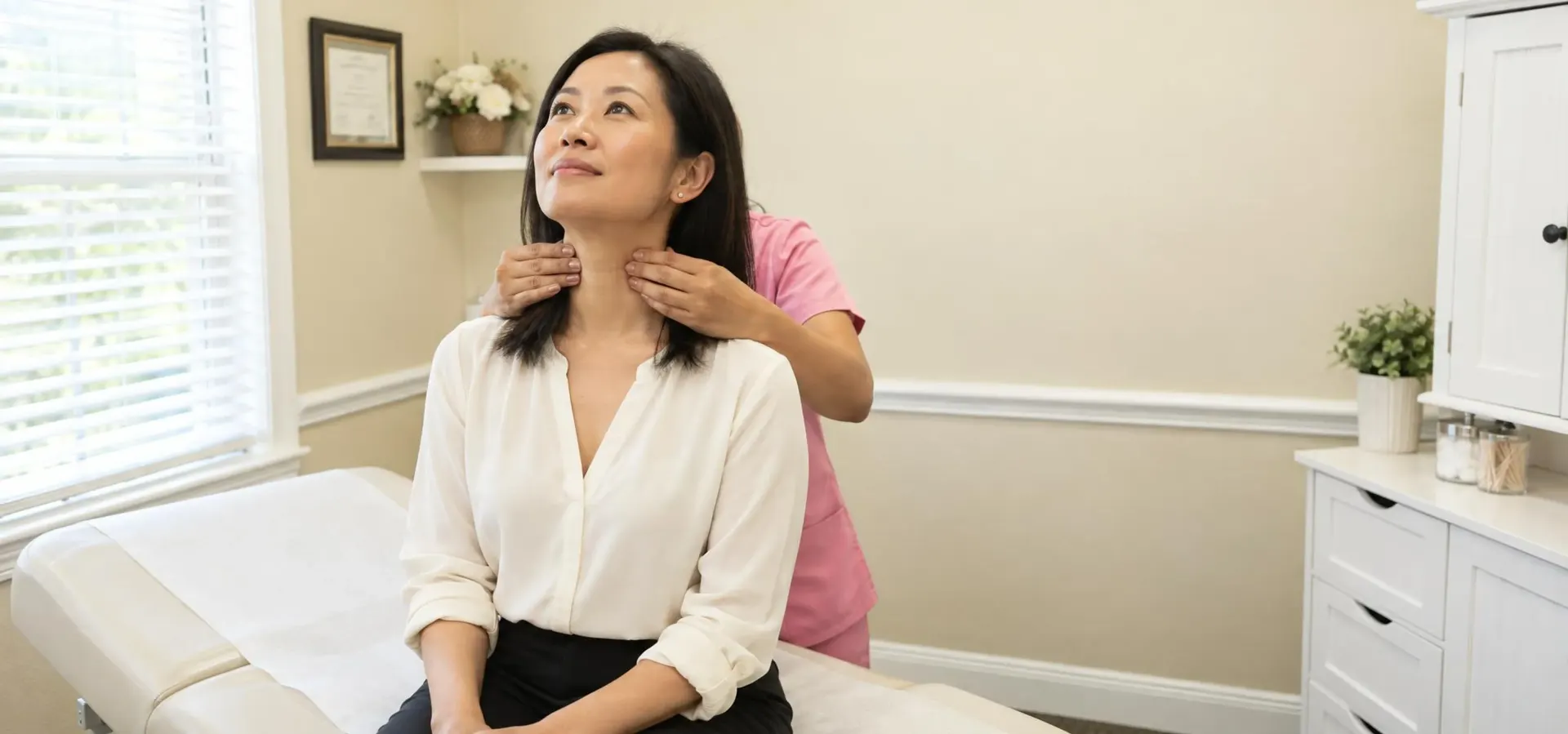
Fatigue, feeling cold, weight gain, dry skin and low mood are easy to mistake for stress or aging. Dr. Anilda Ortiz, DNP, APRN, FNP-C explains your TSH, free T4 and antibody results before changing anything, in the office or by telehealth, with blood drawn on site.
Medically reviewed by Dr. Anilda Ortiz, DNP, APRN, FNP-C. Last updated: October 2026.

The Science
Why an Underactive Thyroid Happens
Understanding the Root Causes
The thyroid runs on a feedback loop. The pituitary gland releases thyroid-stimulating hormone (TSH), the thyroid responds by making T4, and T4 is converted into the more active T3 in tissues throughout the body. When the thyroid falls behind, the pituitary pushes harder and TSH rises. A high TSH with a low free T4 is overt hypothyroidism; a high TSH with a normal free T4 is subclinical hypothyroidism.
In the United States the most common cause is Hashimoto's thyroiditis, an autoimmune condition in which the immune system slowly damages thyroid tissue. Thyroid peroxidase (TPO) antibodies confirm it and help predict whether a borderline TSH will progress. Other causes include thyroid surgery, radioactive iodine, neck radiation, medications such as lithium and amiodarone, and inflammation after pregnancy.
Hyperthyroidism, the overactive side, is most often caused by Graves' disease or overactive thyroid nodules and shows up as weight loss, a racing heartbeat, heat intolerance, anxiety, tremor and poor sleep. Dr. Ortiz identifies it on the same thyroid panel and coordinates antithyroid medication, radioactive iodine or surgical options with an endocrinologist.
Contributing Factors
What Raises Your Risk of Thyroid Disease?
Identifying Your Triggers
Thyroid disease rarely has a single cause; these factors make an underactive or overactive thyroid more likely and guide which tests are ordered.
Autoimmunity and Family History
Hashimoto's and Graves' disease run in families and cluster with type 1 diabetes, celiac disease and other autoimmune conditions.
Being Female, Over 60 or Postpartum
Women develop hypothyroidism several times more often than men, risk climbs with age, and thyroid inflammation after delivery can linger.
Prior Thyroid Treatment
Surgery, radioactive iodine or radiation to the head and neck reduce working thyroid tissue, so most people need lifelong replacement.
Medications and Iodine
Lithium, amiodarone, some cancer immunotherapies and too little or too much iodine can push thyroid function in either direction.
How We Evaluate It
How Thyroid Disease Is Tested and Managed Here
A Complete Panel and Careful Dosing
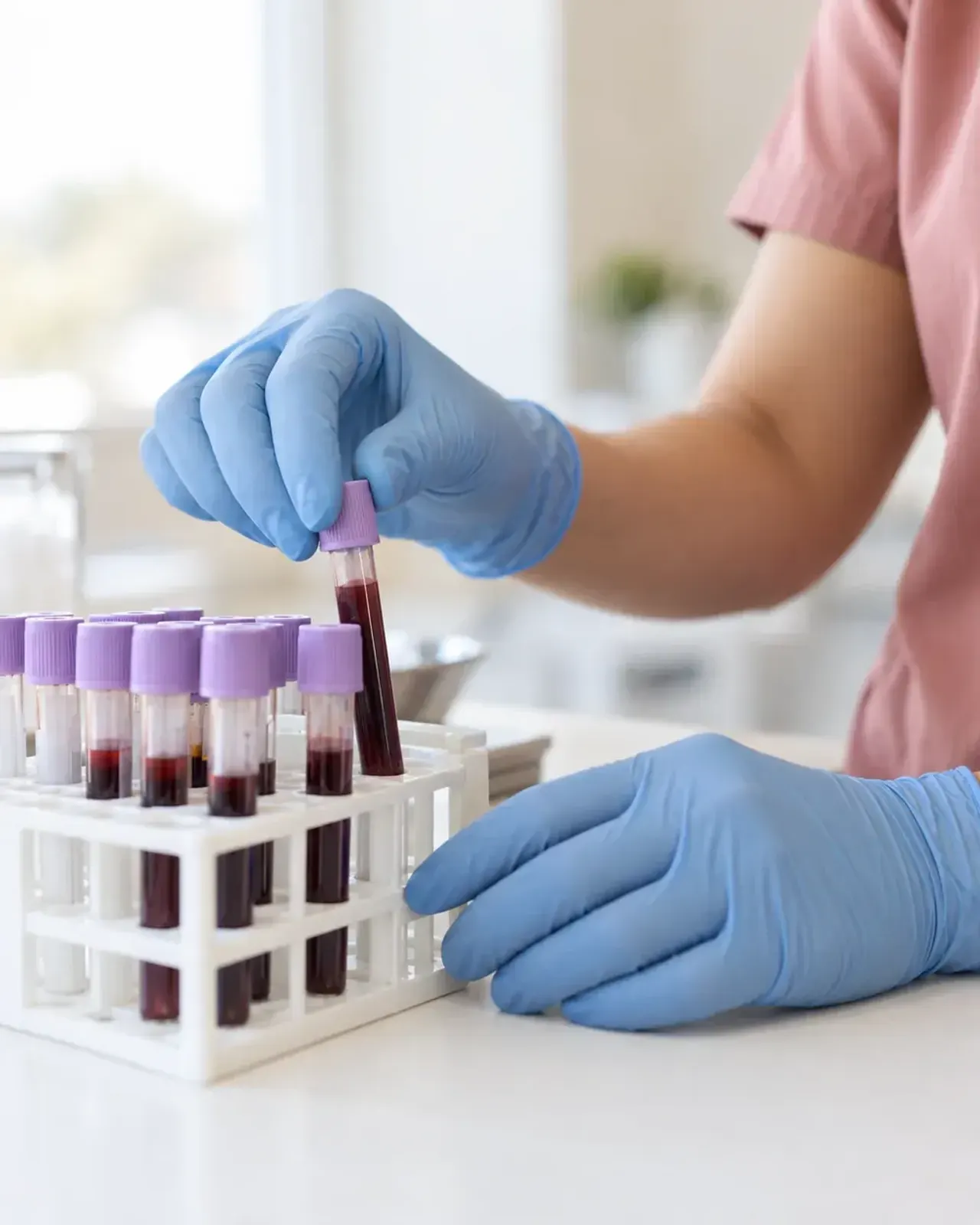
A single TSH is a screening test, not a full picture. Your evaluation begins with a detailed history and an exam of your pulse, reflexes, skin, weight and the thyroid itself, followed by blood drawn in the office for TSH, free T4 and TPO antibodies, with free T3 added when the picture is unclear. A lipid panel, blood count, vitamin D and B12 are often checked at the same visit.
Treatment for hypothyroidism is levothyroxine, a daily tablet that replaces the T4 your thyroid is not making. Dr. Ortiz starts at a dose based on your weight, age, heart health and lab levels, then rechecks TSH six to eight weeks after every change until you are stable, and every six to twelve months after that. Ongoing medication management covers refills, interaction checks and timing guidance, since calcium, iron, antacids and coffee reduce absorption. Members reach Dr. Ortiz directly by phone, secure text, video chat and email.
Many people with a normal thyroid panel still feel tired, foggy or cold, and the cause is often perimenopause, low testosterone, iron or vitamin deficiency, sleep or blood sugar. When the thyroid is not the answer, a hormone therapy evaluation with a full hormone panel is the next step. Severe untreated hypothyroidism with confusion, very low body temperature or slowed breathing, and thyroid storm with fever and a very fast heartbeat, are emergencies: call 911.
Why Us
Why Choose Advanced Optimal Healthcare for Thyroid Disease in Lutz, FL
Expert Care in Lutz
Dr. Ortiz brings more than 10 years of endocrinology, diabetes and thyroid experience to a primary care setting, so your thyroid is managed by someone who treats it every week, with the unhurried visits of a direct primary care membership.
-
Complete Testing
TSH, free T4 and TPO antibodies are drawn in the office at discounted member pricing, not a lone TSH that misses half the story.
-
Careful Dose Adjustment
Levothyroxine is titrated in small steps with a TSH recheck six to eight weeks after every change, because overtreatment matters too.
-
Lab Literacy
You learn what each value means and why your dose is changing, so results are a conversation rather than a letter in the mail.
-
Whole-Person Follow-Up
Cholesterol, weight, mood, sleep and other hormones are tracked alongside your thyroid, with specialist coordination when it is needed.
Finding Your Best Approach
Thyroid Treatment Options Comparison
Thyroid care here is built around medication management, with a full hormone evaluation when symptoms persist despite normal thyroid labs.
| Option | Best For | What It Involves | Visit Time | Follow-Up |
|---|---|---|---|---|
| Chronic Care and Medication Management | Hypothyroidism on levothyroxine | Thyroid panel, dose titration, refills, interaction checks | Unhurried office or telehealth visits | TSH 6-8 weeks after changes, then every 6-12 months |
| Hormone Therapy | Symptoms with normal thyroid labs | Full hormone panel, counseling, monitored treatment | Initial consultation with labs | Follow-up visits as your plan requires |

Is This You?
Signs You May Have an Underactive Thyroid
Recognizing When to Seek Help
These symptoms build slowly and are easy to explain away, which is why a complete thyroid panel is the only reliable way to know.
- Tired No Matter How Much You Sleep
- Always Cold
- Weight Gain, Dry Skin and Thinning Hair
- Low Mood and Brain Fog
Treatments
Related Services
Services that keep thyroid levels, energy and overall health on track.
Your Questions
Frequently Asked Questions
About Thyroid Disease
What tests do I need to diagnose hypothyroidism?
TSH and free T4 together, plus TPO antibodies to check for Hashimoto's thyroiditis. TSH alone can miss an early or pituitary-related problem, and antibodies show whether a borderline result is likely to progress. All three come from one blood draw in the office, and results are reviewed with you.
How do I take levothyroxine correctly?
Once a day on an empty stomach, ideally 30 to 60 minutes before breakfast, with water only. Keep calcium, iron, antacids and coffee at least four hours away and stay on the same formulation so absorption is consistent. If you miss a dose, take it when you remember unless the next dose is due. Never change your dose on your own.
How long until I feel better on treatment?
Many patients notice more energy within two to three weeks, and cold intolerance, constipation and brain fog typically ease over six to twelve weeks as levels stabilize. Hair and skin changes take longer. Expect one or two dose adjustments, each followed by a TSH recheck, before you are fully settled. Individual results vary.
Will I need thyroid medication for life?
Usually, yes. Hashimoto's thyroiditis and hypothyroidism after surgery or radioactive iodine do not recover, so replacement continues long term. Temporary causes, such as inflammation after pregnancy or a medication effect, can resolve, and Dr. Ortiz tests for that before committing you to lifelong treatment. Dose needs also change with age, weight and pregnancy.
Do you take insurance for thyroid care?
No, Advanced Optimal Healthcare does not bill insurance for office visits at any membership level. Thyroid care is part of a flat monthly primary care membership with no copays or deductibles, and members receive discounted pricing on labs and medications. You keep your insurance for specialists and hospital care, and membership may be HSA eligible.
Ready to Start?
Schedule Your Thyroid Disease Consultation
- Phone
- (813) 330-6224
- Hours
- Mon & Fri 9am - 2pmTue & Thu 9am - 6pmWed 9am - 5pm
Scientific References
- American Thyroid Association. (2026). ATA professional guidelines index, including Guidelines for the Treatment of Hypothyroidism (Thyroid, 2014).
- Jonklaas et al., Thyroid. (2014). Guidelines for the treatment of hypothyroidism: prepared by the american thyroid association task force on thyroid hormone replacement. PMID: 25266247.
- Chaker et al., JAMA. (2025). Hypothyroidism: A Review. PMID: 40900603.
- Wiesner et al., Pharmaceuticals (Basel). (2021). Levothyroxine Interactions with Food and Dietary Supplements-A Systematic Review. PMID: 33801406.